Tina Butler · 19 September 2026
Strategies for Enhancing Data Security Measures in Advanced Cargo Coordination Systems
Advanced cargo coordination systems now integrate real-time tracking, automated scheduling, and multi-party data exchanges across global supply chains, which means organizations must address vulnerabilities that arise when sensors, vessels, and logistics platforms share sensitive shipment details. Data flows include GPS coordinates, container contents, customs declarations, and predictive maintenance records, so security teams focus on protecting these elements against interception or tampering while maintaining operational efficiency.
Core Technical Controls for Data Protection
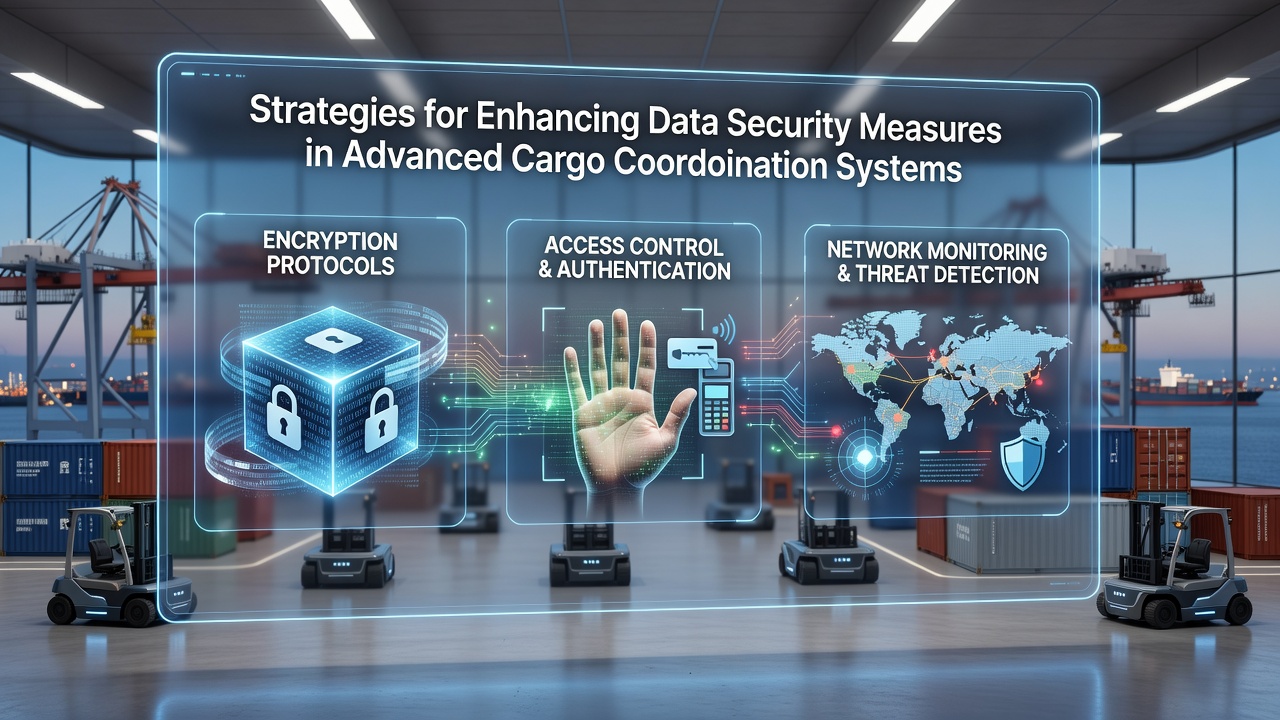
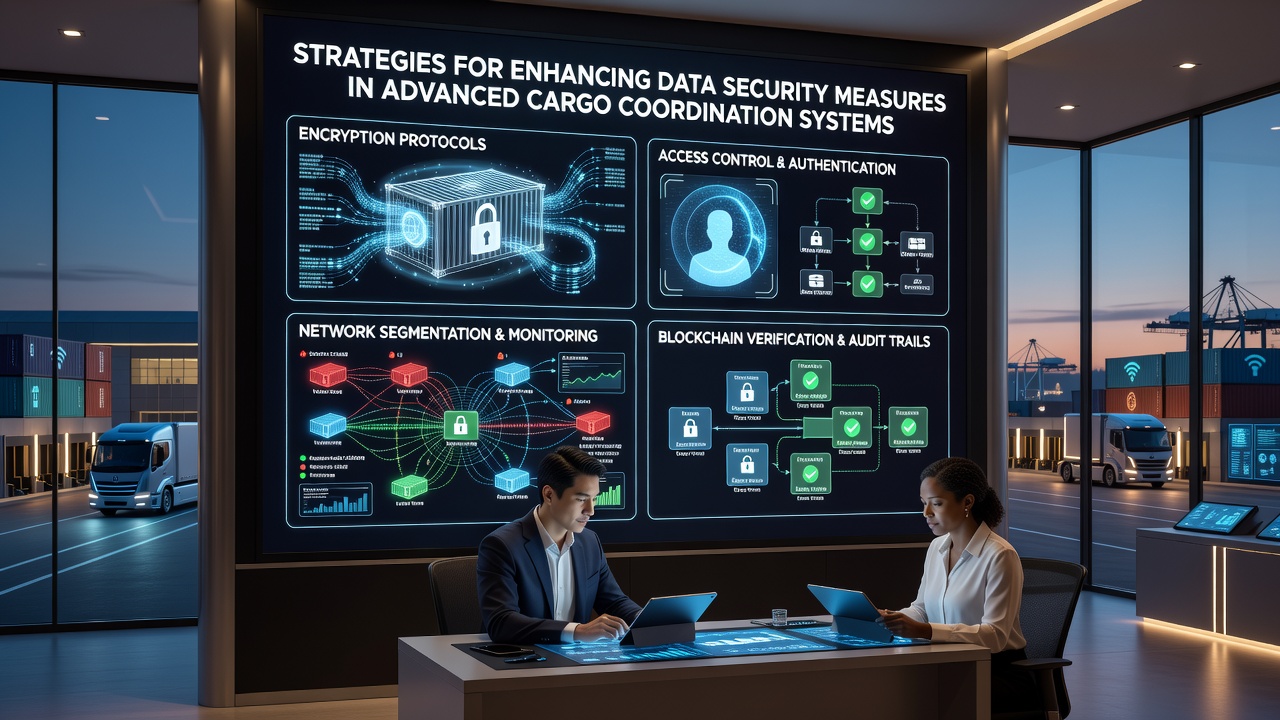
Encryption protocols form the foundation of most current implementations, with organizations applying AES-256 standards for stored records and TLS 1.3 for information moving between shipboard systems and shore-based servers. Researchers at institutions studying maritime logistics note that combining end-to-end encryption with key rotation schedules reduces exposure windows during long voyages, while hardware security modules manage cryptographic keys across distributed fleets. Access management relies on role-based controls and multi-factor authentication, limiting which personnel or partner systems can view specific cargo manifests or rerouting instructions.
Zero-trust architectures have gained traction because they require continuous verification rather than assuming internal networks remain safe. Every request for data from a coordination dashboard undergoes authentication checks, regardless of origin, and micro-segmentation isolates critical modules such as berth allocation algorithms from general monitoring tools. These measures address risks identified in reports from the European Union Agency for Cybersecurity, which examined incidents involving unauthorized access to port community systems.
Monitoring, Detection, and Response Mechanisms
Continuous monitoring tools use machine learning models trained on historical cargo movement patterns to flag anomalies such as unusual access times or unexpected data volume spikes. When deviations occur, automated alerts trigger incident response teams who can isolate affected segments without halting entire operations. Organizations that adopted these approaches reported faster containment times during simulated breach exercises conducted in early 2025.
Regular penetration testing and red-team exercises help identify weaknesses before external actors exploit them. Independent auditors schedule assessments around peak shipping periods to evaluate system resilience under load, and findings feed directly into patch management cycles. Data from the Australian Cyber Security Centre indicates that transport sector entities conducting quarterly tests reduced successful intrusion rates compared with those performing annual reviews only.
Regulatory Compliance and Standards Alignment
Alignment with frameworks such as NIST Cybersecurity Framework and ISO 27001 provides structured roadmaps for cargo operators seeking certification. These standards emphasize risk assessments tailored to maritime environments, including supply chain third-party evaluations and incident reporting timelines. New guidelines expected from international bodies in September 2026 will likely expand requirements for real-time data integrity verification in automated coordination platforms.
Employee training programs complement technical measures by addressing social engineering risks that target port staff or vessel crews. Simulated phishing campaigns and scenario-based workshops reinforce awareness of tactics used against logistics personnel, while clear data handling policies reduce accidental disclosures during handoffs between carriers and terminals.
Emerging Technologies and Future Integration
Blockchain ledgers appear in pilot projects for creating tamper-evident records of cargo handovers, allowing stakeholders to verify chain-of-custody without exposing proprietary details. When integrated with existing coordination software, these distributed systems support audit trails that regulatory bodies can review efficiently. Quantum-resistant encryption algorithms are also under evaluation because future computational advances could threaten current cryptographic methods used in long-term data archives.
Collaboration across industry groups accelerates adoption of proven practices, with working groups sharing anonymized threat intelligence on attacks targeting vessel communication networks. Such cooperation helps smaller operators implement controls that larger entities have already validated at scale.
Conclusion
Effective data security in advanced cargo coordination systems requires layered controls, ongoing monitoring, and alignment with evolving standards. Organizations that combine encryption, access governance, anomaly detection, and workforce training create environments where sensitive logistics information remains protected even as systems grow more interconnected. Continued adaptation to new threats and regulatory updates will determine how well these measures perform through the remainder of the decade.